3 Min Read • March 11, 2026
Range Anxiety Replaced by Range Value
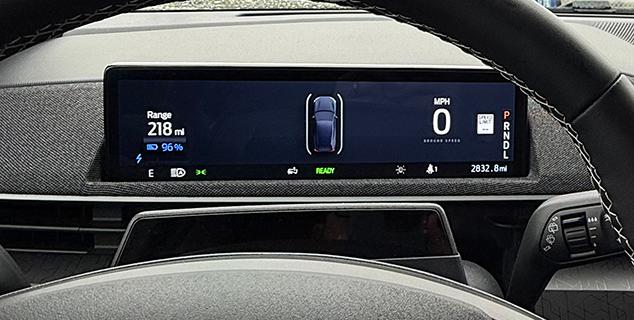
Since electric vehicles (EVs) first hit the market, range has dominated the conversation. For years, surveys showed that limited range was the biggest barrier for shoppers considering electrification. But improvements in battery technology, efficiency and vehicle design mean most EVs today comfortably exceed the daily needs of typical drivers.
The average American drives fewer than 40 miles a day, meaning many EVs could cover an entire work week on a single charge. Add overnight charging to the mix, and range anxiety largely becomes an issue of perception: Many consumers believe they need more range than they actually do, making it feel like a bigger hurdle than it is in practice.
EV Buyers Want Between 250 and 300 Miles
The latest CDK EV shopper study sheds light on what drivers want from an EV even if they’re looking at alternatives. Among plug-in hybrid shoppers, 51% said their minimum acceptable range for a fully electric vehicle falls between 250 and 300 miles, slightly higher than the 46% of EV shoppers with the same expectation. At the upper end, 30% of EV shoppers expected 350 miles or more, compared with 25% of plug-in hybrid shoppers. Only 23% of both groups were comfortable with less than 250 miles.
While these expectations exceed the needs of the average driver, they align with what's currently available on the market. Essentially, no matter the price or size, new EVs on sale at dealerships today can meet these basic buyers’ demands. But that doesn’t mean range isn’t still seen as important.
EV Range Matters More Than Price for Younger Buyers
CDK data shows that range strongly influences customers' willingness to buy, even more than price. Overall, 70% of respondents said a longer driving range is more important than a lower price. That preference was shared by the majority of all generations except baby boomers and the Silent Generation — groups that are more likely to be retired and managing fixed incomes. For them, price is understandably a higher priority. But even within that, 47% still prioritized range over cost.
Among younger buyers, range is seen as a feature worth paying for. Nearly three out of four Generation Zers, older millennials and Generation Xers said range is more important than price. Young millennials agreed, though by a narrower margin at 58%. For much of the active workforce, range represents convenience and flexibility, not just distance.
Even more striking, 90% of EV shoppers said they intend to buy from a brand known for longer driving range. This signals that range is a key differentiating factor in purchasing decisions.
The Real Conversation Isn’t About Price
Taken together, data points to an emerging truth for dealers: When shoppers are evaluating EVs, price isn't the sole deciding factor as it may be with internal-combustion or hybrid vehicles.
In today’s post-EV incentive world, dealers can look to the value an EV’s range delivers to a customer’s lifestyle and weigh that against the price on the sticker.
Share This