4 Min Read • November 20, 2026
Gas Buyers Drive Less
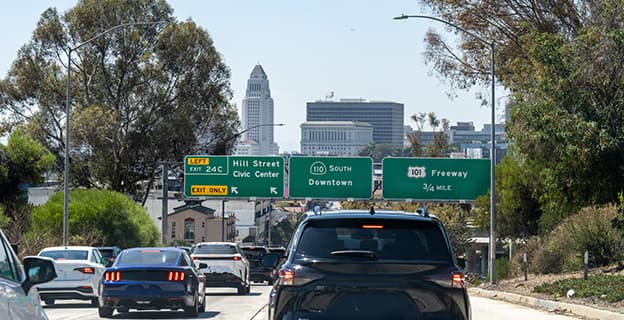
Gasoline prices have started to fall below $4 nationwide but the past few months of high prices made people look more closely at how much they drive and what it costs to get behind the wheel. Government resources, including the Department of Transportation, report the lowest year-over-year growth in miles driven since 2021, when the ongoing effects of the pandemic and remote work kept people off the roads.
But one group of drivers continues to zoom along despite high gas prices: owners of hybrids and EVs.
In the CDK State of the Car Buyer study, approximately 1,200 people were surveyed about their driving habits and found a clear distinction between powertrains. Of low-mileage drivers, those on the road less than 10,000 miles per year, more than half (51%) drove gas-powered vehicles. On the flip side, over 80% of road warriors clocking between 15,000 and 20,000 miles each year drove hybrids and EVs.
As gas-powered vehicle owners are driving less, hybrid and EV owners seem to be maintaining their driving habits. Surging gas prices are making this behavioral split clear.
Hybrid and EVs: Sheltered and Steady
Hybrid and EV owners aren’t necessarily driving more miles than they used to, but they aren’t being forced to cut back like those driving gas vehicles. Morgan Stanley estimates that with gas at around $4 per gallon on average, it costs 60% less to power an EV than a traditional gas guzzler.
So, in multicar households that own both a gas vehicle and an EV/hybrid, it’s a no-brainer for families to actively shift their driving habits. Choosing the alternative fuel car for the majority of household tasks, long commutes and weekend errands makes sense when fuel prices are sky-high. This may account for some of the higher mileage seen even as overall miles driven are down this year.
Gas Drinkers Cut Back
For traditionally powered car owners, record pump prices have turned driving into an immediate budget target. A tangible way to save money is to curb driving. One AAA survey found almost two-thirds (64%) of adults have changed their driving habits or lifestyles since March of this year when gas prices started to climb, with 23% making major changes.
Evidence points to drivers getting creative when it comes to saving at the pump. From taking employers up on remote-work options to consolidating errands into single trips to canceling or shortening road trips, slashing drive time has become like a competitive sport.
Despite high gas prices, it’s unlikely that many gas vehicle drivers will choose now to invest in a hybrid or EV. Especially when broad economic uncertainty and high interest rates are keeping most big purchases out of reach.
The up-front cost hurdle also causes many buyers to hesitate. Consider a driver comparing a conventional vehicle that gets 30 mpg with an EV that costs $6,000 more up-front. At $4 per gallon, the gas-powered vehicle costs approximately 13.3 cents per mile in fuel alone. It can take tens of thousands of miles to recover several thousand dollars in the additional purchase price.
CDK dove deep into hybrid savings in a recent report you can read.
Add Value for Gas-Powered Drivers
Fewer miles on the road can mean less wear and tear, fewer maintenance visits, and potentially less Service and Parts revenue for dealerships. That's a concern worth taking seriously as Fixed Operations remain the powerhouse for dealership profitability.
When economic pressures squeeze household budgets, a smart strategy is to emphasize the value of preventive maintenance rather than simply waiting for customers to return when something goes wrong.
Service departments can reinforce the importance of
- Routine inspections
- Fluid changes
- Tire rotations
- Manufacturer-recommended maintenance
Maintenance packages, targeted Service specials, and proactive customer communications can help customers protect their existing investment while keeping the dealership connected to their ownership experience.
The message shouldn't be that customers need to spend more. It should be that smart, timely maintenance can help prevent more expensive problems down the road.
Make Every Mile Count
Fuel prices will continue to fluctuate, and dealerships can't control what happens at the pump. But they can control how they respond and rely on their knowledge of their customers.
Not every gas buyer sticks close to home. Dealers in different areas of the country, like rural regions, know that their buyers have to put on more miles than those near cities or major suburbs and askew EVs. But hybrids might be the right choice for this group.
Today, there may be more powertrain options than the industry has ever seen. This can be a challenge in terms of educating the customer but allows dealers to solve the hurts their buyers may be experiencing elsewhere in the economy.
Share This