4 Min Read • January 22, 2026
What 300,000 Returning EV Leases Mean for Dealership Inventory Strategy
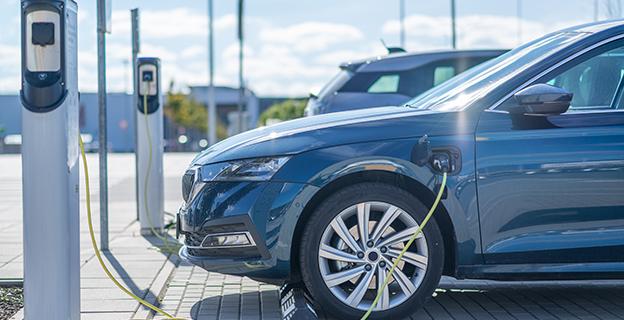
More than 300,000 EVs are expected to return from lease in 2026, which is an increase of more than 200% from the 123,000 units projected for 2025. This surge can be traced back to 2022 and 2023, when automakers took advantage of the Inflation Reduction Act's “lease loophole." Because leased EVs were classified as commercial vehicles, they weren't subject to the same domestic production and sourcing requirements that applied to EVs purchased for personal use. Dealers could still claim the full $7,500 tax credit and pass it on to lessees, even if the vehicle wouldn't have qualified for an incentive when purchased.
When those federal tax credits were combined with aggressive state-level incentives, monthly lease payments dropped dramatically. In some markets, buyers captured EV leases for $0 a month. EV lease rates jumped from just 15% in 2022 to 67% by March 2025, accounting for nearly 1 million leases between early 2022 and March 2025. By 2023, nearly half of all franchise EV sales were leases, considerably more than the lease rate for all powertrains.
A Predictable Advantage
Unlike many of the forces currently shaping the automotive market, this influx of off-lease EVs is highly predictable. Most leases run two to three years, so the bulk of 2026 returns will be 2022 and 2023 models with roughly 25,000 miles. That means many of these vehicles will still have substantial factory and battery warranty coverage remaining.
For dealers, this creates a rare moment of predictability. Many of these vehicles will be prime candidates for Certified Pre-Owned (CPO) programs, which typically offer better margins and appeal to younger buyers who value warranty protection. This level of stability is a welcome contrast to the volatility dealers have faced over the past year, from economic headwinds, the expiration of federal EV tax credits, and the ongoing tariff uncertainty.
Current Pre-Owned EV Market Conditions
The pre-owned EV market itself is also entering a more stable phase. After swings in pricing, average list prices settled in 2025 at around $37,000, with nearly one-third of pre-owned EVs now listed under $25,000. That price represents a sweet spot for pre-owned car buyers. Market maturity is finally resulting in reduced depreciation rates, with some models showing dramatically improved value retention.
The Dealer Opportunity
With federal incentives now gone, the economics of pre-owned EVs are becoming even more compelling. On average, a pre-owned EV now costs only about $900 more than a comparable internal combustion vehicle, a substantially smaller gap than the price difference seen in new vehicle transactions. For many consumers, pre-owned EVs are potentially the easiest entry point to EV adoption.
The residual value gap also creates substantial acquisition opportunities. Leases written in 2022 and 2023 assumed a 50% residual value, but the reality is closer to 35% to 40%. As a result, finance arms are taking losses and sending more vehicles to auction at attractive wholesale prices. Dealers stand to benefit if they understand their local market dynamics and acquire the right vehicles at the right price.
That distinction matters because pre-owned EV demand varies widely by region. This is where predictive pricing and inventory intelligence tools become critical. Traditional valuation guides rely solely on historical data or aren't specific to your ZIP code. Tools like CDK’s Vehicle Inventory Suite can forecast market conditions, analyze local competition and days’ supply, and help dealers price competitively while protecting margins.
Key Strategies for Riding the Wave
Dealers can focus on three key opportunities:
- Prominently Feature Current Pre-Owned EV Inventory Online: EV buyers tend to be tech-savvy shoppers who research extensively. Feature current pre-owned EV inventory on digital retailing platforms with complete specifications, high-quality photos, and transparent pricing to help target these buyers.
- Match Acquisition to Local Demand: The goal is to stock vehicles that'll turn quickly in your specific market, not chase national trends that may not apply locally. States like California, Colorado, New Jersey and Massachusetts still offer rebates on pre-owned EVs, making these markets particularly attractive. Predictive pricing tools can help dealers match acquisition strategy to local demand rather than buying based on wholesale availability alone.
- Position Yourself as a Trusted Advisor: Many pre-owned EV shoppers will be first-time EV owners with questions about battery life, charging and long-term costs. This creates an opportunity for dealers to become trusted advisors rather than just transaction facilitators. Federal regulations require all EVs to carry an eight-year, 100,000-mile battery warranty. 2022 to 2023 lease returns arriving in 2026 will still have substantial warranty coverage at no cost to the buyer.
The 2026 lease return wave is an opportunity for dealers who prepare. Demand is demonstrably strong, and the inventory potential is visible well in advance. Dealers who implement EV strategies today with the right tools, market intelligence and customer education strategies will find themselves in a much better position at year's end than those who start playing catchup.
Share This