4 Min Read • April 16, 2026
Independent Repair Shops Are Gaining Ground: Here's What the Data Reveals for Dealers
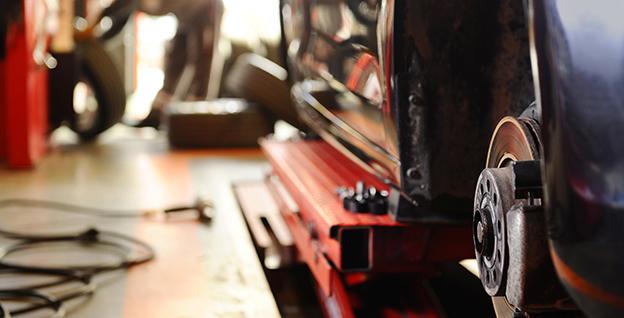
Independent repair shops are gaining ground. According to CDK's latest Service Shopper 5.0 study, independents have gained six percentage points in market share year over year. In 2025, 38% of respondents said an independent shop was their most often used service provider, up from 32% in 2024. Dealerships still lead but not by much. They dropped five points in 2025 to 42%, down from 47% last year.
Customers are making new choices about where to service their vehicles. Yet, CDK's data also reveals where dealerships hold clear advantages and how to leverage those strengths to maintain loyalty and win back customers who leave once the warranty period ends.
Dealership Advantages
Despite this drop, CDK's data still showed some areas where dealerships have an advantage, primarily in areas that demand technical expertise or specialized equipment. In 2025, Service staff knowledge ranked as the number one reason customers chose dealerships, and access to parts for specific makes and models also ranked in the top five. Dealerships see higher usage for factory recalls, EV battery maintenance, and complex electrical systems.
Customers seem to be segmenting their service choices. They rely on dealerships for advanced or specialized needs but turn to independents for convenience and cost. Independent shop customers cited location and price as top reasons for choosing their provider, with "low prices" appearing in their top five but not for dealerships.
Highlighting things like Technician certifications, access to OEM parts, and diagnostic capabilities makes dealership expertise more visible to customers. As more EVs enter the market, dealers with EV-specific training can differentiate themselves in these segments.
Customer Loyalty Differences
Existing relationships rank high among the reasons why customers choose dealerships. Fifty-nine percent of dealership customers use dealerships exclusively, versus 48% of independent shop customers. Only 7% of dealership customers shop around with no preference, compared to 10% of independent shop customers.
This shows a relationship advantage for dealerships, though it requires active maintenance. Customers, even those who made strong connections during the Sales process and warranty period, may drift to whomever is convenient or affordable in the moment if those connections aren't nurtured after the warranty expires. Post-warranty outreach, like checking in with customers or sending personalized service reminders, for example, can show customers that you don't expect the relationship to end when the warranty does.
Digital Capabilities and Service
Twenty-six percent of dealership customers book service online, compared to just 10% for independent shop customers. That 2.6-times-higher adoption rate shows that dealerships lead in digital capabilities. The phone still dominates, with 61% of dealership customers and 70% of independent shop customers booking that way, but digital is growing and it's an area where independents lag.
Customers increasingly expect to interact with businesses on their own schedule, not just during business hours. Platforms with access to service history, real-time status updates, or digital payment options may reinforce the dealership's digital advantages and help retain customers who prefer those kinds of interactions.
Customer Frustration Points
The top frustration for both dealership and independent shop customers is understanding what services their vehicle will need in the future. Without clarity, customers may delay service until something breaks, at which point convenience likely becomes the deciding factor. And like we mentioned earlier, convenience is one of the main reasons customers choose independent shops.
Customers who plan ahead are more likely to choose you. Sending mileage-based reminders, using service history apps, or even a simple dashboard sticker with the next service date helps customers anticipate their next service need so they can plan for it.
Customer Base Profiles
Dealership customer bases tend to skew toward customers we'd consider enthusiasts or those who reported they do everything they can to keep their vehicles in pristine shape. Another 28% are strategic maintainers focused on retaining value. Only 26% are reactive maintainers who do what's necessary to keep things running. Independent shop customers skew differently: 35% are reactive maintainers and only 17% are enthusiasts interested in keeping their vehicles in pristine shape.
This data shows dealership customers tend to value vehicle care and proper maintenance schedules more than the average independent shop customer. Understanding these differences helps explain why customers choose one type of service provider over another and might influence how dealers communicate with them about their service.
Market Shift Implications
The market share shift is real but so are the opportunities. Independent shops are winning on convenience and price perception. Dealerships, meanwhile, have the edge on expertise, technology and established customer relationships.
Instead of trying to beat independent shops at their own game, focus on doubling down on what makes your dealership different to earn loyalty. Showcase Technician expertise, expand your digital capabilities, and nurture post-warranty relationships to remind customers why they chose you in the first place.
Share This